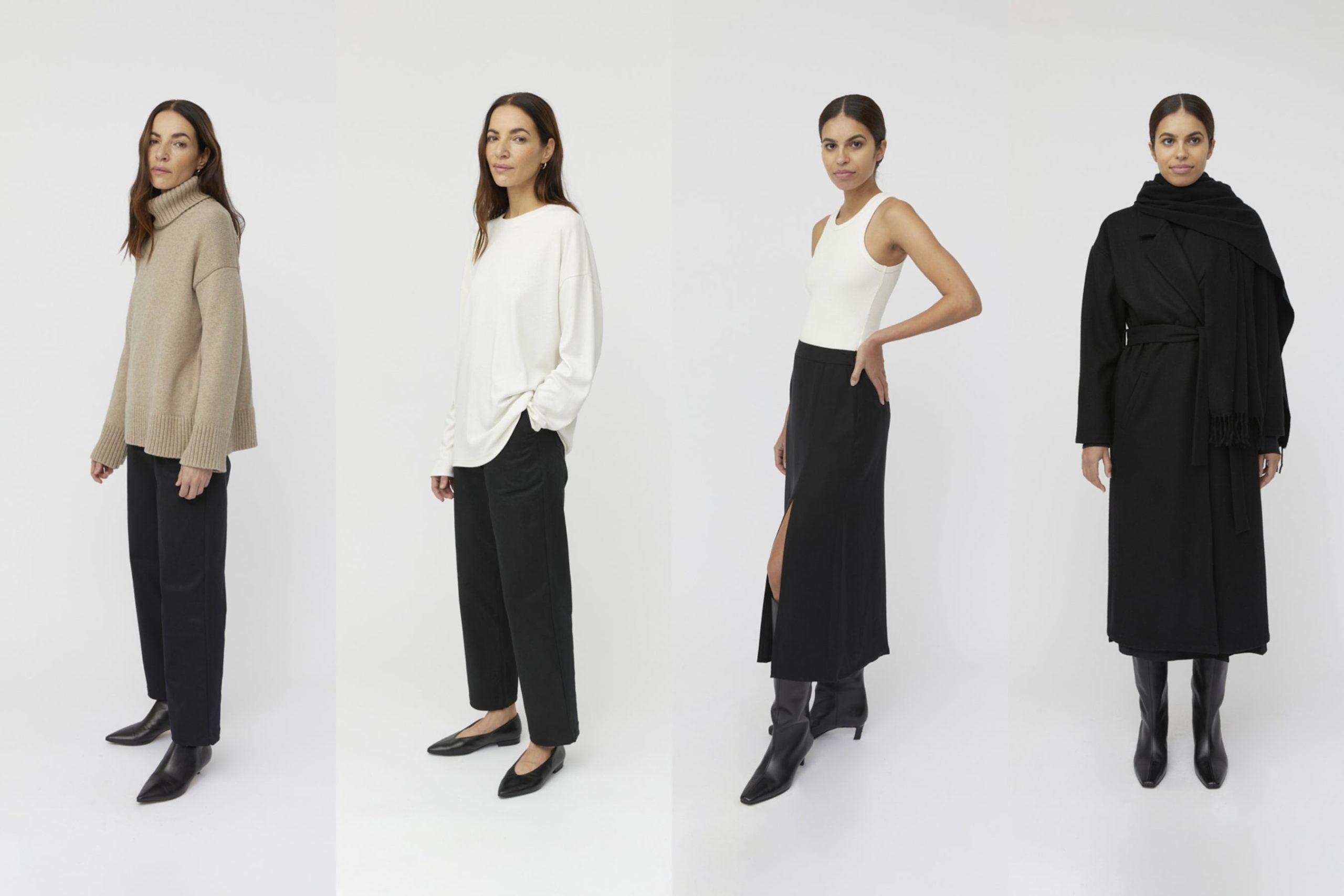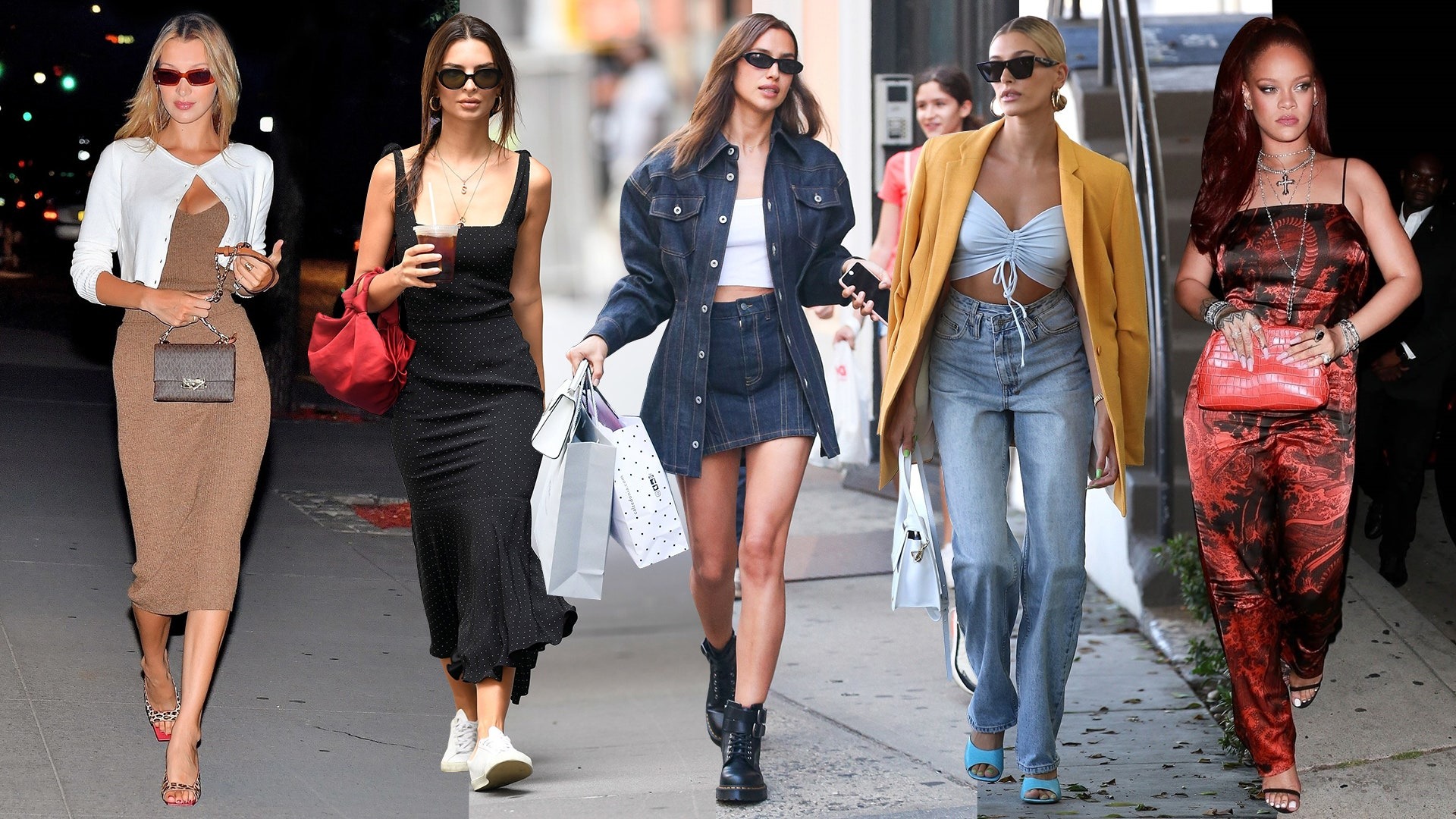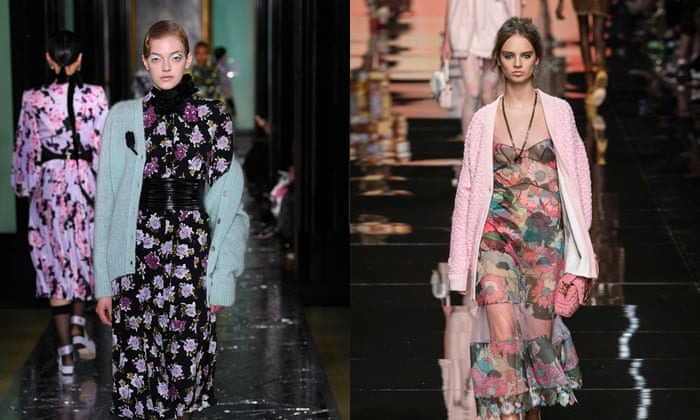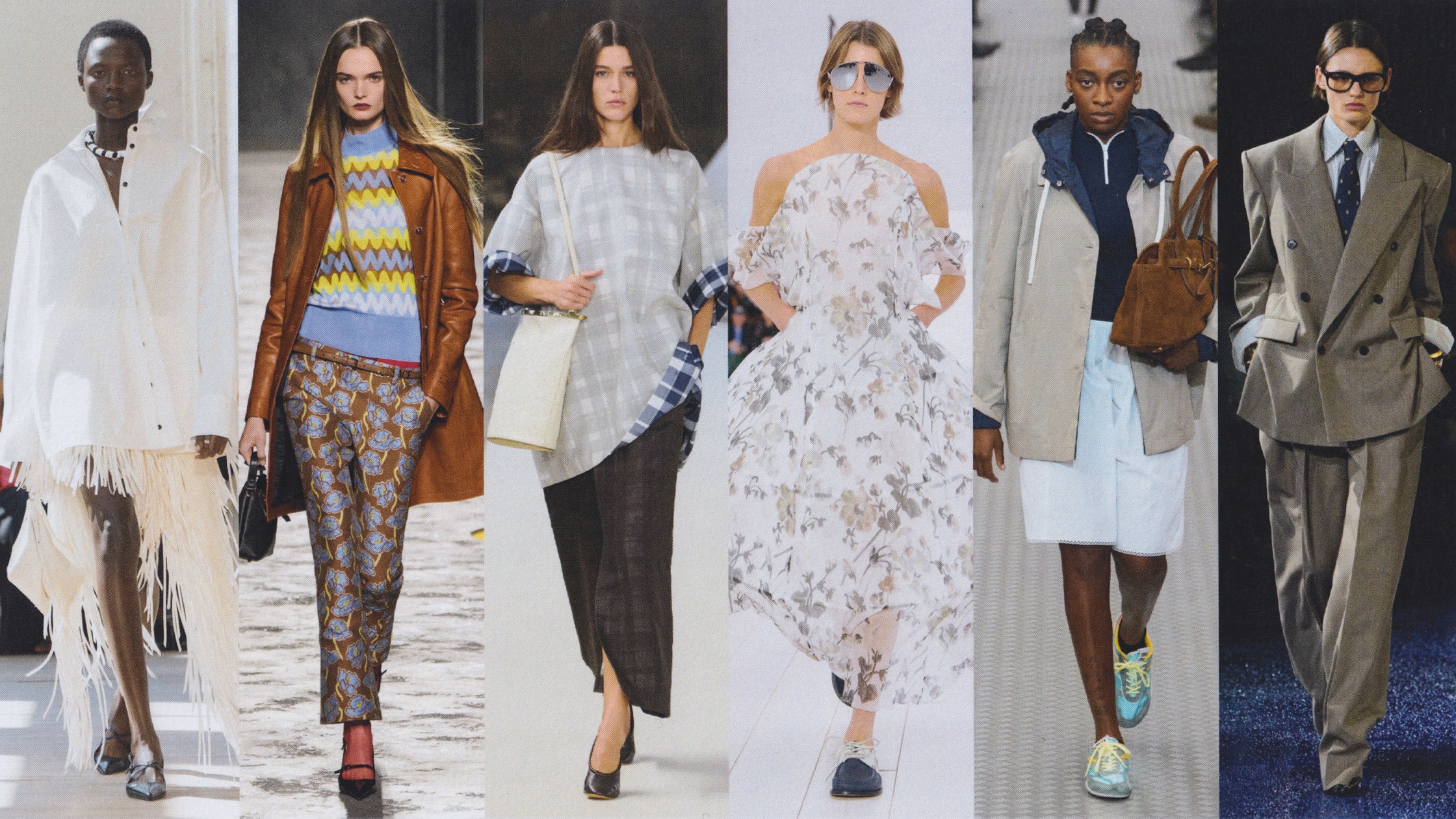
Fashion is an ever-evolving industry, characterized by new trends, cutting-edge designs, and constantly changing consumer demands. Yet, amidst the rapid changes, one trend stands out with lasting significance: sustainable fashion. As the world becomes more conscious of environmental challenges, the demand for eco-friendly and ethical clothing has surged. The future of style is no longer about just looking good, but about making sure that what we wear doesn’t come at the cost of the planet or its people.
In this article, we will explore the growing importance of sustainable fashion, the key trends driving it, and what the future holds for this movement.
What is Sustainable Fashion?
Sustainable fashion refers to clothing, shoes, and accessories that are made with a focus on environmental impact, ethical labor practices, and durability. This approach aims to reduce the harmful effects of the fashion industry, which is one of the largest polluters globally. Sustainable fashion considers the entire lifecycle of a garment—from production and manufacturing to consumption and disposal.
There are several key principles that define sustainable fashion:
-
Eco-friendly Materials: Using materials that have minimal environmental impact, such as organic cotton, hemp, bamboo, and recycled fibers.
-
Ethical Labor Practices: Ensuring fair wages, safe working conditions, and respect for workers’ rights in the production process.
-
Durability and Quality: Creating garments that last longer, reducing the need for constant replacements and minimizing textile waste.
-
Waste Reduction: Designing clothes that can be recycled, upcycled, or easily disposed of without harming the environment.
Sustainable fashion is not just a passing trend, but a response to the fashion industry’s massive carbon footprint and the social implications of unethical manufacturing practices. As consumers become more educated about these issues, sustainable fashion is slowly but surely reshaping the entire industry.
The Environmental Impact of Fashion
The environmental toll of the fashion industry is significant. According to the United Nations Environment Programme (UNEP), the fashion industry is responsible for 10% of global carbon emissions, more than the aviation and shipping industries combined. This is primarily due to the vast amounts of resources used in manufacturing clothing—water, energy, chemicals, and non-renewable materials.
The rise of fast fashion in recent decades has exacerbated this problem. Fast fashion involves producing inexpensive clothing at a rapid pace, often with little regard for environmental or social consequences. Garments are typically made from cheap, synthetic materials like polyester, which are not biodegradable and contribute to pollution in landfills. The desire for constantly changing styles leads to a culture of disposability, where clothes are discarded after only a few wears.
By contrast, sustainable fashion focuses on reducing waste and lowering the environmental impact by emphasizing longevity, high-quality materials, and ethical production methods. The goal is to make fashion a more circular and restorative system, where the negative impacts on the environment are minimized.
Key Trends Driving Sustainable Fashion
The shift toward sustainable fashion is not only driven by environmental concerns but also by a growing consumer demand for ethical and transparent practices. Several trends are shaping the future of style and making sustainable fashion more mainstream.
1. Eco-friendly Materials
One of the most exciting developments in sustainable fashion is the use of innovative materials that have a lower environmental impact. Traditional fabrics like cotton and wool require large amounts of water, pesticides, and fertilizers to produce. In contrast, eco-friendly materials are grown or manufactured in ways that reduce harm to the planet.
-
Organic Cotton: Grown without synthetic pesticides or fertilizers, organic cotton is a more sustainable alternative to conventional cotton. It uses less water and supports healthier soil.
-
Recycled Fabrics: Materials made from recycled plastic bottles, discarded clothing, and industrial waste are becoming more common. Recycled polyester, for instance, uses less water and energy than virgin polyester and reduces the amount of plastic waste in landfills.
-
Plant-Based Fabrics: Hemp, bamboo, and linen are all plant-based fibers that are durable, biodegradable, and require less water and chemicals to produce compared to cotton.
-
Vegan Leathers: Traditional leather production involves harmful chemicals and animal cruelty. In response, brands are turning to alternatives such as mushroom leather, pineapple leather (Piñatex), and apple leather, all of which are cruelty-free and biodegradable.
These materials are not only more sustainable but often have unique qualities, such as greater durability, breathability, or biodegradability, making them an attractive option for consumers and designers alike.
2. Slow Fashion Over Fast Fashion
Fast fashion has been a major driver of environmental harm, but a movement toward slow fashion is gaining traction. Slow fashion encourages consumers to invest in high-quality garments that will last for years, rather than purchasing cheap, trendy items that are discarded after a few wears.
Slow fashion is about thoughtful consumption, focusing on buying less but better. This approach emphasizes purchasing items that are versatile, durable, and timeless, ensuring that each piece has longevity. By shifting away from the cycle of constant new trends and impulsive buying, slow fashion helps reduce textile waste and unnecessary consumption.
3. Secondhand and Vintage Clothing
The secondhand and vintage clothing market has grown exponentially in recent years, and this trend is expected to continue in 2025 and beyond. Thrift stores, consignment shops, and online resale platforms like Poshmark, ThredUp, and Depop have made it easier than ever for consumers to buy gently used clothing.
Buying secondhand is a sustainable option because it extends the lifespan of clothing and keeps garments out of landfills. Additionally, secondhand items often have a unique character and style that fast fashion can’t replicate. Vintage clothing is also a way to incorporate timeless, high-quality pieces into your wardrobe without contributing to the demand for new production.
4. Fashion Rental and Subscription Services
Fashion rental services have become increasingly popular as consumers seek to wear new styles without contributing to the overproduction of clothing. Services like Rent the Runway, HURR Collective, and MyWardrobeHQ allow customers to rent clothing for special events or daily wear, ensuring that they can enjoy fashion without the environmental impact of buying new items.
Subscription services that send curated outfits based on your personal style are also gaining momentum. These services allow customers to try different styles and return items once they’re finished, reducing the need for frequent purchases.
5. Transparent and Ethical Brands
Transparency is a key aspect of sustainable fashion. In the past, many clothing brands operated with little visibility into their supply chains, making it difficult for consumers to know where and how their clothes were made. Today, more brands are committed to ethical production processes, and they’re providing consumers with clear information about their sourcing, manufacturing, and labor practices.
Many brands are now offering detailed information on their websites about their sourcing methods, fair wages, and the environmental impact of their production. Consumers are becoming more aware of these issues and increasingly favoring companies that prioritize ethical practices. This transparency not only helps consumers make informed decisions but also holds brands accountable for their impact on the world.
The Future of Sustainable Fashion
The future of fashion is undeniably sustainable, and the industry is already beginning to embrace this shift. As technology advances, we can expect to see even more innovative solutions to reduce waste, increase recycling, and create closed-loop production systems.
-
Biodegradable and Regenerative Fabrics: Research into biodegradable materials and regenerative fabrics, such as algae-based textiles, is progressing. These innovations could change the way we think about fashion waste, making it possible for clothing to completely decompose without harming the environment.
-
Circular Fashion: Circular fashion models—where garments are designed for reuse, repair, and recycling—are likely to become more common. Brands will focus on creating clothing that can be easily disassembled and recycled, contributing to a more sustainable industry.
-
AI and Technology: Artificial intelligence and technology will also play a role in sustainable fashion. AI can help predict trends more accurately, reducing the overproduction of clothing, while smart fabrics may allow for greater customization and durability.
Sustainable fashion is poised to reshape the future of style. As consumers demand more eco-conscious choices and brands continue to innovate, the fashion industry will move toward a more responsible, transparent, and environmentally friendly future. By embracing these changes, we can ensure that fashion remains an exciting, creative, and sustainable industry for years to come.
Conclusion
Sustainable fashion is no longer just a buzzword; it’s the future of the industry. With environmental concerns and social responsibility at the forefront of consumer consciousness, the demand for eco-friendly, ethical clothing is growing stronger. As designers, brands, and consumers embrace sustainability, the fashion industry will continue to evolve toward a more responsible and stylish future. By making thoughtful purchasing decisions and prioritizing sustainable options, we can all contribute to shaping a better world—one outfit at a time.