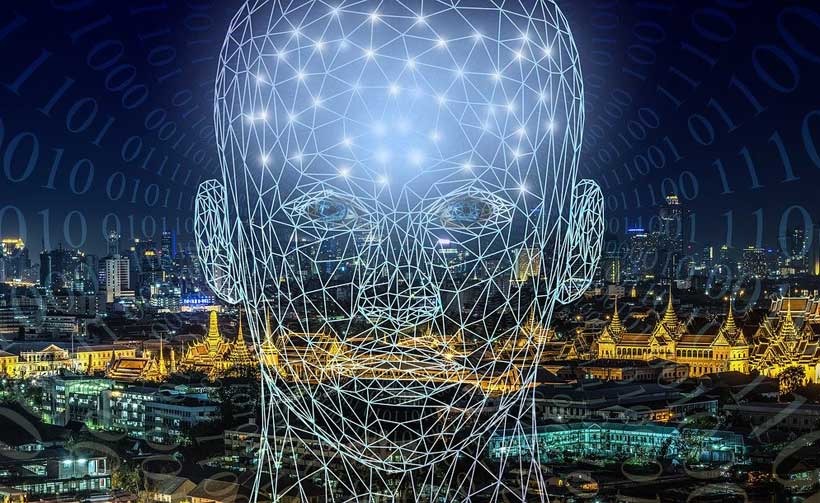
Artificial Intelligence (AI) has evolved from a niche technological concept to a transformative force that is reshaping the world we live in. In just a few decades, AI has advanced from basic machine learning algorithms to sophisticated systems capable of processing vast amounts of data, making decisions, and even learning from experience. As we look to the future, the potential for AI to revolutionize various industries, improve our daily lives, and address complex global challenges is immense. But what exactly does the future of AI hold, and how is it already shaping tomorrow?
Understanding AI and Its Growing Impact
At its core, Artificial Intelligence is the simulation of human intelligence processes by machines, particularly computer systems. These processes include learning (acquiring information and rules for using it), reasoning (using rules to make decisions), and self-correction. In the past, AI was mainly limited to tasks like voice recognition or basic automation. However, the evolution of deep learning, natural language processing (NLP), and neural networks has propelled AI into much more complex roles.
In the future, AI will become increasingly intertwined with every aspect of our lives, from how we work to how we communicate, shop, and even govern. Its applications are wide-ranging, touching industries such as healthcare, finance, transportation, entertainment, education, and even environmental sustainability.
AI in Healthcare: Revolutionizing Medicine and Treatment
One of the most exciting and promising areas of AI’s growth is in healthcare. AI is already being used to streamline administrative tasks, manage patient data, and assist in diagnosis, but the future holds even greater potential.
Personalized Medicine
In the future, AI will enable highly personalized medicine, where treatments and health regimens are tailored specifically to an individual’s genetic makeup, lifestyle, and medical history. AI-powered algorithms can analyze data from multiple sources, including genetic tests, electronic health records, and wearable devices, to provide more accurate predictions of health risks and suggest personalized treatment plans.
Improved Diagnostics
AI is already making strides in medical diagnostics. AI systems can analyze medical images, such as X-rays and MRIs, with incredible accuracy, sometimes surpassing human doctors. As AI continues to improve, it will help detect diseases at earlier, more treatable stages. Early detection of conditions like cancer, heart disease, and neurological disorders will save countless lives.
Drug Development and Research
AI is transforming the process of drug discovery. By analyzing vast datasets of chemical compounds and medical research, AI can predict which compounds might be effective against specific diseases, accelerating the research and development of new drugs. This could dramatically reduce the time and cost of developing life-saving medications.
AI in Transportation: The Autonomous Revolution
Transportation is another industry on the verge of a major transformation due to AI. Autonomous vehicles (AVs), or self-driving cars, have been a hot topic in recent years, and the future of AI in transportation promises to be even more groundbreaking.
Self-Driving Cars
The development of self-driving cars is one of the most visible applications of AI. Companies like Tesla, Waymo, and Uber are already testing autonomous vehicles, and in the coming years, we can expect these vehicles to become more commonplace. AI-powered cars will use sensors, cameras, and machine learning algorithms to navigate roads, avoiding accidents and obeying traffic rules without human intervention.
This shift will have a profound impact on traffic congestion, road safety, and even the environment. With fewer accidents and optimized driving, autonomous cars could reduce the need for physical infrastructure and reduce fuel consumption, contributing to environmental sustainability.
AI in Public Transportation
AI will also revolutionize public transportation. From smart traffic management systems to AI-assisted scheduling and route optimization, public transit systems will become more efficient, timely, and affordable. AI will enable real-time decision-making, such as adjusting routes to avoid traffic or predicting passenger demand, making commuting smoother and more convenient.
AI in Finance: Transforming the Financial Sector
The financial sector is another area where AI is already having a significant impact, and its influence will only continue to grow.
AI-Driven Investment Strategies
AI-powered algorithms are already being used to make investment decisions. These systems analyze vast amounts of data in real-time to identify investment opportunities, predict market trends, and optimize portfolios. In the future, AI will make investing more accessible, with robo-advisors helping individuals make informed investment choices based on their personal financial goals and risk tolerance.
Fraud Detection and Risk Management
AI has proven to be an effective tool in detecting fraud and managing financial risk. Machine learning models can analyze patterns in financial transactions to identify fraudulent behavior, even before it happens. In the future, AI will be even more adept at spotting irregularities, helping banks and financial institutions prevent fraud and reduce security breaches.
AI in Education: A Personalized Learning Experience
Education is another field where AI will reshape the future. By integrating AI into classrooms and learning environments, we can provide students with personalized learning experiences tailored to their individual needs.
Personalized Learning
AI-powered platforms can analyze student performance and adjust lessons, resources, and assessments based on each student’s learning style and pace. For example, a student struggling with a specific topic may be given additional practice or resources to help them improve. This personalized approach will allow for more efficient learning, as students receive instruction tailored to their unique strengths and challenges.
Automating Administrative Tasks
AI will also take over many of the administrative tasks in education. Automated grading systems, virtual teaching assistants, and personalized feedback will reduce the burden on teachers, allowing them to focus more on individual student interaction and less on paperwork.
The Ethical Challenges of AI: Navigating the Future
As AI continues to develop, ethical considerations will become increasingly important. Issues such as data privacy, bias in algorithms, and job displacement are key challenges that need to be addressed. AI systems are only as good as the data they are trained on, and if that data is biased, the outcomes will be biased as well. Ensuring that AI systems are fair, transparent, and accountable is crucial as we integrate them into society.
Additionally, the rise of automation and AI in various industries may lead to significant job displacement. While AI will create new jobs, it’s essential for governments, businesses, and society to find ways to reskill workers and ensure that economic opportunities are accessible to everyone.
The Future of AI: Endless Possibilities
The future of AI is nothing short of exciting. As technology continues to evolve, so too will the applications of AI, touching nearly every aspect of our lives. From healthcare to education, from transportation to finance, AI has the potential to unlock unprecedented opportunities for progress and innovation.
However, as we embrace the future of AI, it’s important to do so thoughtfully, with an awareness of the ethical and social challenges that accompany this powerful technology. With careful planning and collaboration, we can harness the power of AI to create a future that benefits all of humanity.
Conclusion
Artificial Intelligence is not just a buzzword—it is the driving force behind the next wave of technological advancements. As we look toward the future, AI will continue to reshape industries, improve our lives, and unlock new possibilities. By understanding its potential and addressing its challenges, we can create a future where AI enhances our capabilities, solves complex problems, and contributes to a better world for all. The future of AI is now, and it’s just getting started.
Leave a Reply